Bradley Klem
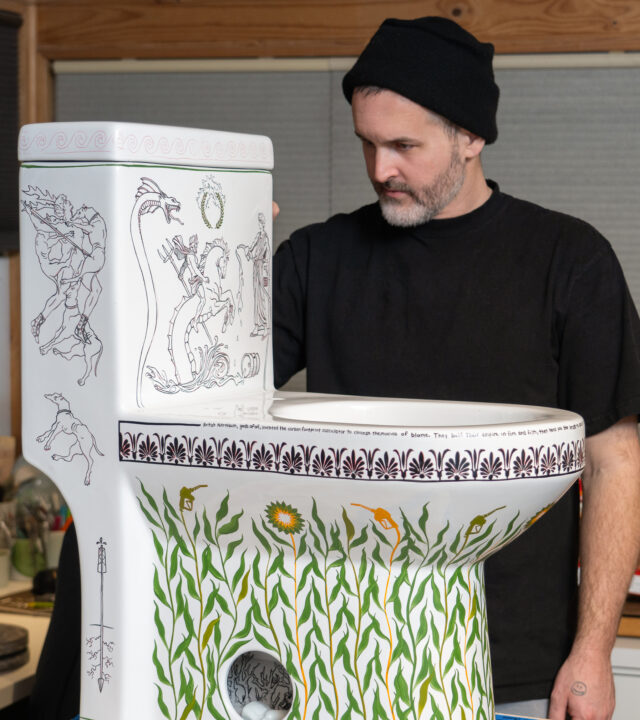
Bradley Klem is a Denver-based ceramic artist whose work explores the intersections of material history, contemporary climate discourse, and aesthetic dissonance. He serves on the board of La Serra Collective and teaches ceramics at the University of Denver. Brad-ley’s work has been exhibited nationally and is included in both private and institutional collections. His recent projects use ceramic vessels as conceptual tools for examining ecological grief, industrial systems, and the contradictions of modern life.
Biography
Bradley Klem is a Denver-based ceramic artist whose work explores the intersections of material history, contemporary climate discourse, and aesthetic dissonance. He serves on the board of La Serra Collective and teaches ceramics at the University of Denver. Brad-ley’s work has been exhibited nationally and is included in both private and institutional collections. His recent projects use ceramic vessels as conceptual tools for examining ecological grief, industrial systems, and the contradictions of modern life.
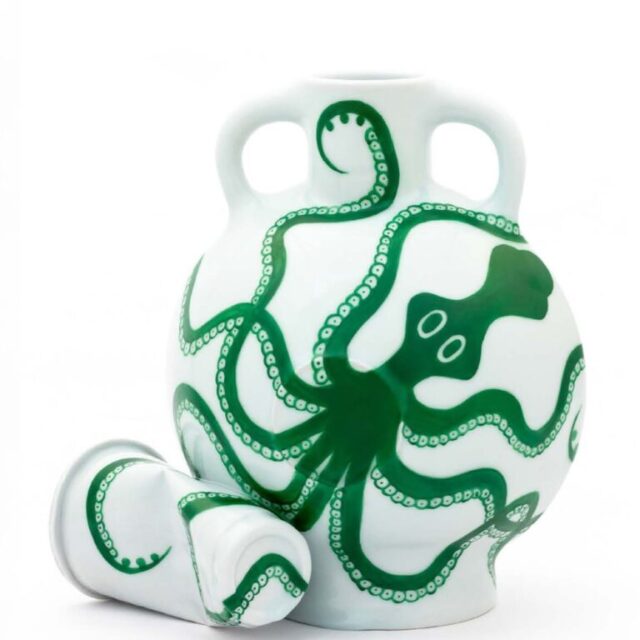
My work draws on the historical and cultural significance of ceramic vessels to address one of the most pressing issues of our time: humanity’s impact on the environment. Ceramic objects, varied in form and origin, have long symbolized sustenance and per-manence. Today, however, they stand in stark contrast to the fleeting, mass-produced products of the petroleum industry, which lack the deep history ceramics embody. These familiar and storied vessels act as Trojan horses in domestic spaces, quietly carrying con-versations about our planetary fate.
The work is graphic and vibrant, luring the viewer in, only to confront them with the jux-taposition of ceramic beauty and petroleum-derived waste. This clash prompts a critical reflection: why find beauty in pollution? I urge viewers to rethink their interactions with petro-objects, pushing for a recognition of how our current practices may be enshrined in history. The question is stark: will we let plastics define our era, or can we rally for change, preserving the natural beauty once celebrated in our art? These are the pots of the An-thropocene.